A Comprehensive Guide to Mobility Scooters for Adults
For many adults experiencing reduced physical mobility, navigating daily tasks can become challenging. Mobility scooters present an effective way to maintain independence, offering a motorized alternative to manual wheelchairs. These devices are designed to accommodate a wide range of physical needs, allowing individuals to run errands, visit friends, or simply enjoy time outdoors.
Understanding the Types of Mobility Scooters
The mobility scooter market features several distinct categories, each tailored to specific environments and user requirements. The most common distinction lies between three-wheel and four-wheel models. Three-wheel scooters typically offer a tighter turning radius, making them highly suitable for indoor environments like homes or grocery stores where space is limited.
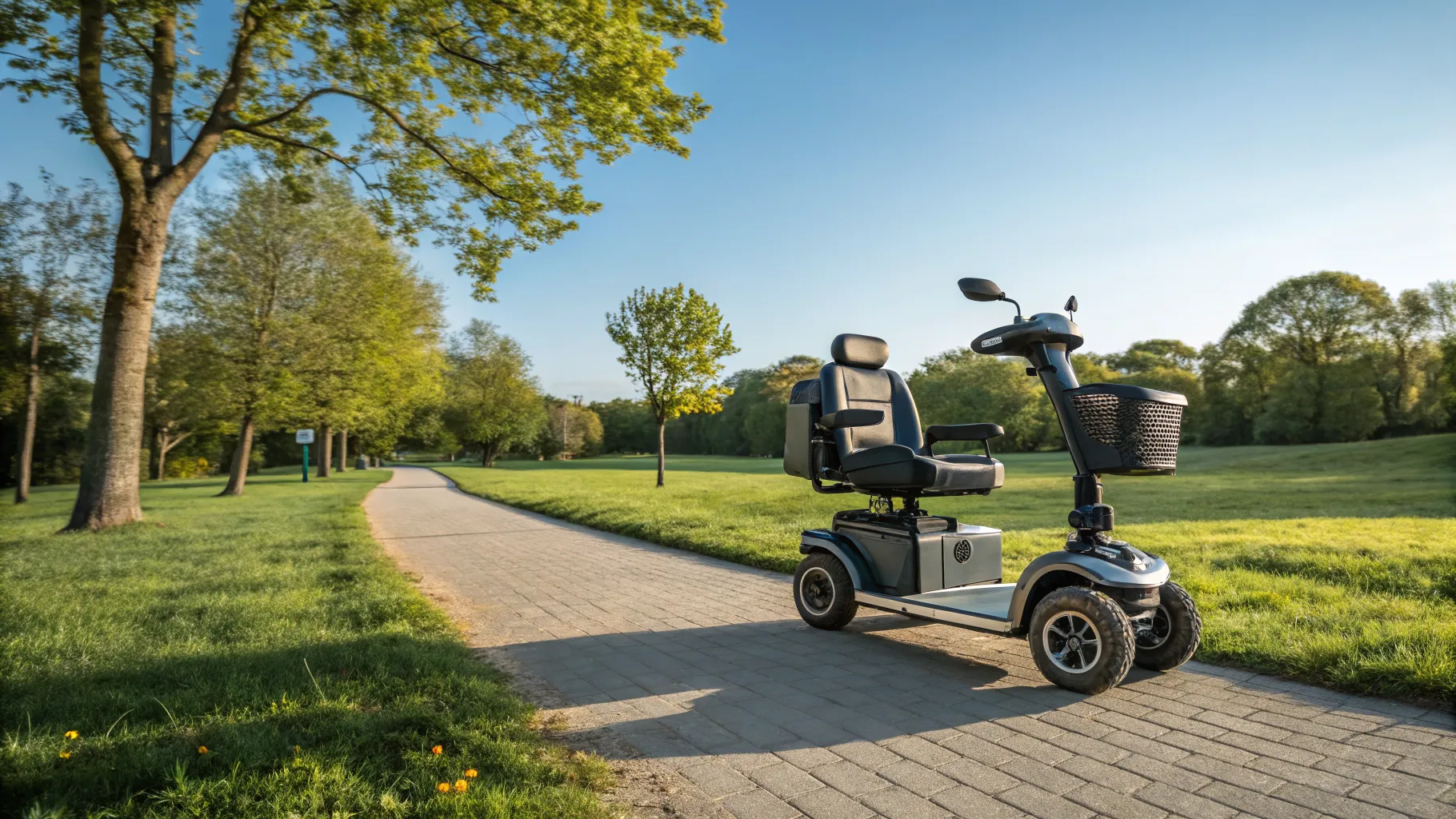
Conversely, four-wheel scooters provide enhanced stability, which is often preferred by individuals who plan to use their device primarily outdoors. The broader wheelbase distributes weight more evenly, reducing the risk of tipping when navigating uneven terrain such as gravel paths or cracked sidewalks.
Travel and Folding Scooters for Active Lifestyles
For individuals who frequently travel or need to transport their scooter in a vehicle, portable models are highly advantageous. These scooters are specifically engineered to either fold into a compact shape or disassemble into lightweight, manageable pieces. This design allows them to fit easily into the trunks of most standard automobiles.
- Compact dimensions designed for tight storage spaces.
- Lighter overall weight compared to standard models.
- Quick disassembly mechanisms that do not require specialized tools.
- Slightly lower weight capacities and shorter battery ranges due to their reduced size.
Heavy-Duty and Bariatric Models
Adults who require a higher weight capacity or plan to traverse rugged outdoor environments often look toward heavy-duty scooters. These robust machines are built with reinforced frames and powerful motors to handle heavier loads without sacrificing performance or speed. They often accommodate weights well above standard capacities, providing a comfortable and secure ride.
In addition to stronger frames, heavy-duty scooters generally feature larger, air-filled pneumatic tires and advanced suspension systems. These additions help absorb shocks from rough surfaces, ensuring the user experiences a smooth ride even when crossing grassy parks or dirt trails. The seats are also wider and more heavily padded to support extended periods of use.
Key Features to Evaluate Before Selection
Selecting the appropriate mobility scooter requires careful consideration of several technical specifications to ensure it meets the daily needs of the user. Buyers should assess how and where the scooter will be used most frequently, as this dictates the necessary features. Ignoring these specifications can result in purchasing a device that is impractical for the intended environment.
- Weight Capacity: Ensuring the scooter can safely support the user along with any carried items.
- Turning Radius: The amount of space required to perform a full turn, crucial for indoor maneuverability.
- Ground Clearance: The distance between the base of the scooter and the ground, important for clearing obstacles.
- Maximum Speed: The top speed the scooter can achieve, which varies significantly between indoor and outdoor models.
Battery Life and Maintenance Requirements
The power source of a mobility scooter is a critical component that dictates how far the device can travel on a single charge. Most scooters operate on either sealed lead-acid or lighter, more efficient lithium-ion batteries. Understanding the expected range is vital to prevent being stranded away from a charging source during daily outings.
Proper maintenance of the battery system greatly extends its lifespan. It is generally recommended to charge the scooter fully after each significant use and avoid letting the battery deplete completely. Storing the scooter in a climate-controlled environment also prevents extreme temperatures from degrading battery performance over time.
Accessibility and Maneuverability Considerations
Beyond the specifications of the scooter itself, the physical environment where it will operate plays a major role in its effectiveness. Users must consider the width of doorways, the presence of ramps, and the height of thresholds in their own homes and local communities. A scooter that is too wide for standard interior doors will be rendered virtually useless indoors.
Furthermore, assessing the steepness of local inclines is necessary, as each scooter has a maximum climbing angle. Attempting to drive up a hill steeper than the recommended limit can strain the motor or cause the scooter to tip backwards. Evaluating these environmental factors beforehand ensures the chosen mobility scooter will seamlessly integrate into the daily life of the user.