A Comprehensive Guide to Mobility Scooters for Adults
Navigating the world of mobility aids can be a complex process for many adults seeking to maintain their independence.
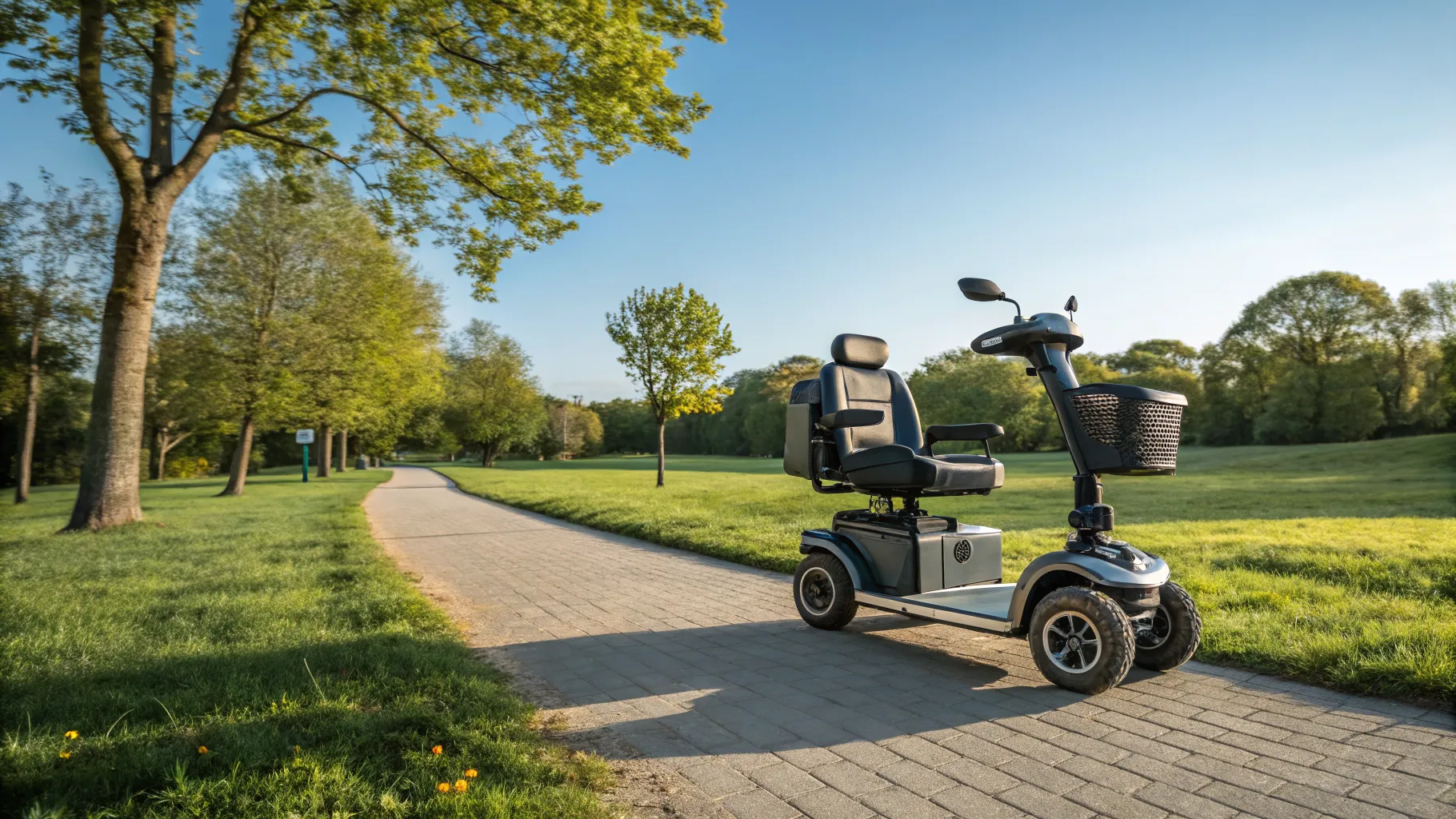
Understanding Mobility Scooters for Adults
Mobility scooters are motorized vehicles designed specifically for individuals who have difficulty walking long distances but still retain some upper body mobility and upright posture. They operate using a tiller or steering column, which requires the rider to have adequate arm strength and manual dexterity. These devices are incredibly beneficial for those dealing with arthritis, respiratory issues, or general fatigue.
Unlike manual or power wheelchairs, mobility scooters are often utilized by individuals who do not require full-time assistance but need a reliable way to navigate grocery stores, parks, and large public spaces. They bridge the gap between walking aids like rollators and fully supportive power chairs. Choosing the right type depends heavily on the specific physical capabilities and daily environments of the user.
Key Types of Mobility Scooters
The market offers several distinct categories of mobility scooters, each tailored to different lifestyles and environments. Understanding these categories is the first step in narrowing down the vast array of available options.
- Three-wheel scooters: These models offer a tighter turning radius, making them ideal for indoor use in homes and stores.
- Four-wheel scooters: Providing maximum stability, these are better suited for outdoor terrain and uneven sidewalks.
- Travel and folding scooters: Designed for easy transport, these lightweight models can be folded or disassembled to fit into a car trunk.
- Heavy-duty scooters: Built with robust frames and larger motors, these accommodate higher weight capacities and often feature advanced suspension systems for rough outdoor use.
Crucial Features to Consider Before Selection
When evaluating different models, several technical specifications will dictate how well the device performs in daily life. Weight capacity is a primary concern. It is essential to choose a model that comfortably supports the user while leaving a buffer for carried items like groceries or oxygen tanks. Furthermore, the operating range or battery life determines how far the device can travel on a single charge.
Comfort features are equally important for users who plan to spend extended periods on their device. Captain seats with high backs and adjustable headrests offer superior support compared to standard stadium-style seats. Additionally, adjustable tillers allow the user to pull the steering controls closer, reducing strain on the back and shoulders during operation.
Battery Life and Charging Requirements
The power source is the heart of any motorized mobility aid. Most consumer models utilize either sealed lead-acid batteries or modern lithium-ion alternatives. Lead-acid batteries are heavier and require consistent charging habits to prevent premature degradation, but they are generally less expensive to replace. Lithium-ion batteries are lighter, charge faster, and typically last longer, though they come at a higher initial cost.
Proper charging routines are necessary to maximize battery lifespan regardless of the chemistry. Manufacturers typically recommend charging the device after every significant outing rather than letting the battery drain completely. Storing the device in extreme temperatures can also negatively impact battery health, so indoor storage in a climate-controlled environment is highly recommended during winter months.
Portability and Transportation Challenges
A common hurdle for new users is figuring out how to transport their device from home to other destinations. Travel scooters are explicitly designed to address this issue. Many feature auto-folding mechanisms operated by a remote control, while others break down into four or five manageable pieces. The heaviest piece of a disassembled travel scooter usually weighs between thirty and forty pounds.
For those utilizing mid-size or heavy-duty models, disassembly is rarely a practical option. Transporting these larger devices typically requires modifying a personal vehicle with an exterior hitch lift or an interior hoist system. Individuals planning to travel by air must also verify that their specific battery type is approved by the airline, as strict regulations govern the transportation of lithium-ion batteries on commercial flights.
Safety Guidelines and Routine Maintenance
Operating a motorized vehicle on sidewalks and in public venues comes with inherent safety responsibilities. Users should always remain mindful of pedestrians and adhere to local regulations regarding motorized aids. Enhancing visibility is a critical safety measure, especially in low-light conditions. Utilizing safety flags, reflective tape, and built-in LED lighting can significantly reduce the risk of accidents.
Maintaining the physical components of the device ensures reliable and safe operation over time. Routine maintenance tasks include checking tire pressure on pneumatic models, keeping the chassis free of dirt and debris, and inspecting the battery terminals for corrosion. Scheduling an annual tune-up with a qualified technician can help identify worn brake components or electrical issues before they result in a breakdown.
Authored by MyHealthBriefs team