A Guide to Macular Degeneration Vision Loss Prevention
Facts:
- Macular degeneration is a leading cause of vision loss.
- Early detection is a critical trend for successful vision loss prevention.
Understanding Macular Degeneration and How to Protect Your Sight
The prospect of losing one's vision can be daunting, and for millions, age-related macular degeneration (AMD) is a primary concern. This condition affects the macula, the part of the retina responsible for sharp, detailed central vision needed for reading and driving. While there is no complete cure, proactive steps in vision loss prevention can significantly slow its progression and preserve sight. Understanding the risk factors, dietary choices, and lifestyle habits that impact your eye health is the first and most crucial step in safeguarding your vision against Macular Degeneration. This guide provides comprehensive strategies to help you maintain clear sight for as long as possible.
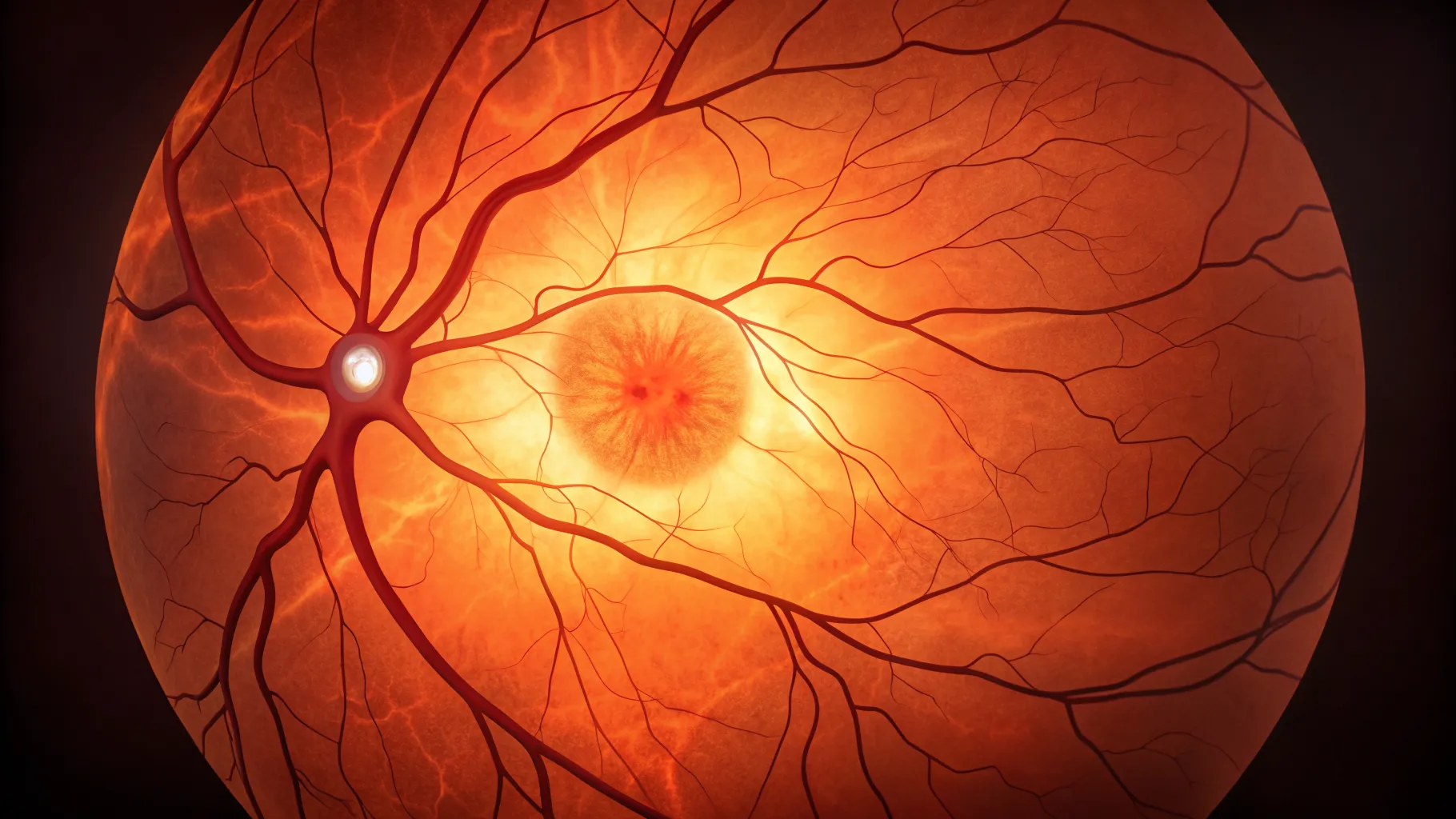
What is Age-Related Macular Degeneration (AMD)?
Age-related macular degeneration (AMD) is a progressive eye disease that primarily affects central vision. It occurs when the small central portion of the retina, the macula, deteriorates. This deterioration does not lead to complete blindness, as peripheral vision remains intact, but it can severely impact daily activities. There are two main forms of Macular Degeneration: dry (atrophic) and wet (exudative). The dry form is more common, characterized by the thinning of the macula and the presence of tiny yellow deposits called drusen. It progresses slowly over many years. The wet form is less common but more severe, involving the growth of abnormal blood vessels under the retina that can leak blood and fluid, leading to rapid and significant vision loss prevention challenges. Early detection and intervention are vital for managing both forms and maintaining good eye health.
Key Risk Factors Influencing Macular Degeneration
Several factors can increase an individual's risk of developing age-related macular degeneration (AMD). Age is the most significant risk factor, with the disease being most common in individuals over 50. Genetics also play a crucial role; having a family history of Macular Degeneration significantly raises your risk. Lifestyle choices are also major contributors. Smoking, for example, doubles the risk of developing AMD. Other risk factors include obesity, high blood pressure, and prolonged exposure to ultraviolet (UV) light. Recognizing these risks is a fundamental part of a successful vision loss prevention strategy, allowing individuals to make informed decisions to protect their eye health.
Actionable Nutritional Strategies for Vision Loss Prevention
Diet is a cornerstone of managing eye health and is a powerful tool for vision loss prevention. Specific nutrients have been clinically shown to support the macula and reduce the risk of AMD progression. A diet rich in antioxidants, vitamins, and minerals is highly recommended. Below are key nutritional guidelines:
- Leafy Green Vegetables: Spinach, kale, and collard greens are packed with lutein and zeaxanthin, two powerful antioxidants that are concentrated in the macula and help filter harmful blue light. Regular consumption is essential for protecting retinal cells.
- Omega-3 Fatty Acids: Found in fatty fish like salmon, mackerel, and tuna, omega-3s have anti-inflammatory properties that are beneficial for overall retinal health. Incorporating fish into your diet at least twice a week can support your fight against Macular Degeneration.
- Colorful Fruits and Vegetables: Foods rich in vitamins C and E, such as oranges, bell peppers, broccoli, and nuts, help combat oxidative stress, which is a key factor in the development of age-related macular degeneration (AMD).
- AREDS2 Supplements: For individuals with intermediate AMD, specific vitamin and mineral formulations, known as AREDS2 supplements, have been proven to slow the disease's progression. These supplements contain a high-dose combination of vitamins C and E, lutein, zeaxanthin, zinc, and copper. It is crucial to consult an eye care professional before starting any supplement regimen.
Lifestyle Adjustments to Preserve Eye Health
Beyond diet, certain lifestyle modifications are critical for anyone serious about vision loss prevention. Quitting smoking is arguably the single most effective change you can make, as it directly reduces your risk of developing and progressing Macular Degeneration. Protecting your eyes from UV radiation by wearing sunglasses and a wide-brimmed hat when outdoors is also essential. Regular physical activity helps maintain a healthy weight and blood pressure, reducing associated risks. Managing cardiovascular health is directly linked to better eye health, making it a vital component of a holistic approach to preventing vision loss from age-related macular degeneration (AMD).
The Importance of Regular Eye Examinations
Early and regular eye examinations are non-negotiable for anyone at risk for age-related macular degeneration (AMD). An ophthalmologist can detect the early signs of the disease, such as drusen, long before you notice any changes in your vision. Comprehensive dilated eye exams allow the doctor to view the retina and macula in detail. Early detection enables timely intervention, which can significantly slow the progression of the disease. Monitoring your vision at home with an Amsler grid can also help detect subtle changes that warrant an immediate visit to your eye doctor. Consistent professional care is the foundation of effective vision loss prevention.
Frequently Asked Questions
Can Macular Degeneration be completely cured?
Currently, there is no cure for Macular Degeneration. However, various treatments and lifestyle interventions can significantly slow its progression and manage symptoms, especially if detected early. For wet AMD, treatments like anti-VEGF injections can help reduce abnormal blood vessel growth and preserve vision. For dry AMD, the focus is on nutritional support, such as AREDS2 supplements, and lifestyle changes for effective vision loss prevention.
What are the early signs of age-related macular degeneration (AMD)?
The early stages of age-related macular degeneration (AMD) often have no noticeable symptoms. As it progresses, you might experience a blurred or distorted area in your central vision. Straight lines may appear wavy, or you might need brighter light for reading. Regular eye exams are crucial for detecting the disease before these symptoms become apparent, which is key for maintaining long-term eye health.
Are AREDS2 supplements effective for everyone?
AREDS2 supplements are specifically recommended for individuals with intermediate to advanced dry Macular Degeneration in one or both eyes. Studies have shown they are not effective as a preventive measure for people with early-stage AMD or those with no signs of the disease. It is essential to consult with an eye care professional to determine if these supplements are appropriate for your specific stage of eye health.
References
- National Eye Institute
- American Macular Degeneration Foundation
- American Academy of Ophthalmology
- The BrightFocus Foundation
Authored by MyHealthBriefs team