Understanding Blood Sugar Control Supplements
Maintaining healthy blood glucose levels is a priority for many people looking to support their metabolic well-being. While diet and exercise remain the foundation of metabolic health, a variety of dietary supplements are often considered for additional support.
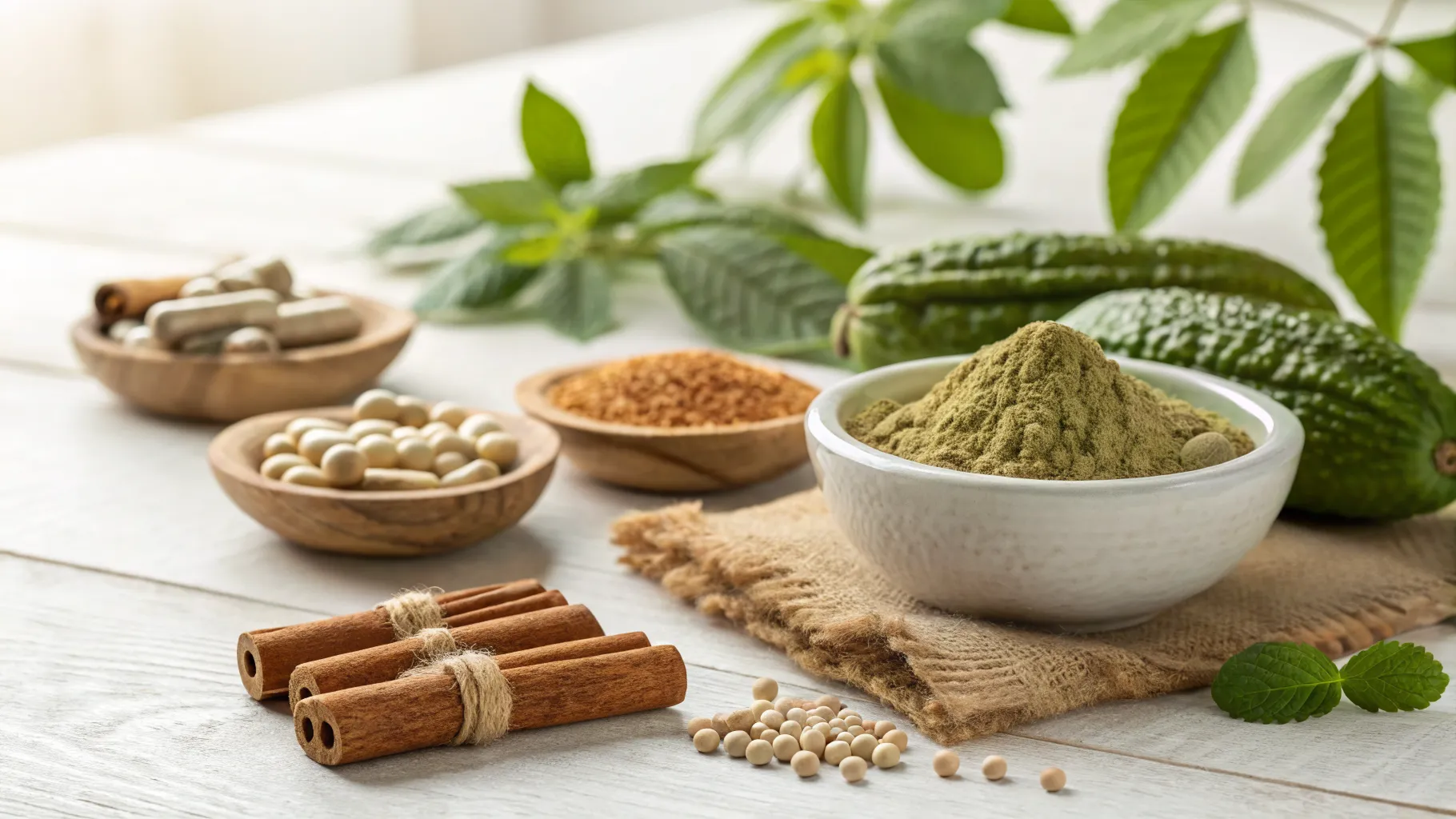
The Role of Cinnamon in Glucose Metabolism
Cinnamon is perhaps one of the most widely recognized spices associated with blood sugar management. Research suggests that certain compounds in cinnamon can mimic insulin, helping to move sugar from the bloodstream into cells where it can be used for energy.
It is important to differentiate between Cassia and Ceylon cinnamon. Cassia is the most common variety found in supermarkets but contains higher levels of coumarin, a compound that can be harmful to the liver in large doses. Ceylon cinnamon, often referred to as true cinnamon, has much lower coumarin levels and is generally preferred for daily supplementation.
Understanding Alpha-Lipoic Acid
Alpha-lipoic acid is an antioxidant found naturally in the body and in certain foods like spinach, broccoli, and red meat. It plays a crucial role in cellular energy production and has been studied for its potential to improve insulin sensitivity.
Because oxidative stress is closely linked to metabolic imbalances, alpha-lipoic acid is often utilized for its ability to neutralize harmful free radicals. Some clinical studies indicate that regular supplementation may help support healthy nerve function and improve the way the body utilizes circulating glucose.
How Berberine Interacts with the Body
Berberine is a bioactive compound extracted from several different plants, including European barberry, goldenseal, and tree turmeric. It has a long history of use in traditional Chinese and Ayurvedic medicine for various ailments, primarily those related to digestion and metabolism.
Modern research indicates that berberine activates an enzyme inside cells called AMP-activated protein kinase. This enzyme is often referred to as a metabolic master switch. By activating this enzyme, berberine helps regulate metabolism, potentially reducing glucose production in the liver and improving insulin sensitivity in muscle tissues.
The Impact of Magnesium Deficiency
Magnesium is a vital mineral involved in over three hundred biochemical reactions in the human body, including the regulation of blood sugar and blood pressure. Despite its importance, a significant portion of the population does not consume adequate amounts of magnesium through their regular diet.
Low levels of magnesium have been strongly associated with a higher risk of developing metabolic issues. The mineral is necessary for insulin to function properly and transport glucose into cells. Supplementing with bioavailable forms of magnesium, such as magnesium glycinate or citrate, is often considered by those looking to support their metabolic health.
Herbal Options: Fenugreek and Bitter Melon
Fenugreek is a clover-like herb whose seeds are rich in soluble fiber. This fiber slows down digestion and the absorption of carbohydrates, which can help prevent sharp spikes in blood sugar following a meal. It is commonly consumed as a powder, tea, or in capsule form.
Bitter melon is another traditional botanical used in various parts of Asia, Africa, and the Caribbean. It contains several active substances with anti-diabetic properties, including charantin, which has been confirmed to have a blood glucose-lowering effect. These herbs are frequently found in combination formulas designed to provide comprehensive metabolic support.
Safety Considerations and Potential Interactions
While natural supplements can offer metabolic support, they are not without risks. Ingredients that effectively lower blood sugar can cause hypoglycemia (abnormally low blood sugar) if taken in excess or combined with prescribed diabetes medications. This makes medical supervision highly advisable.
- Consult a healthcare provider before introducing new supplements.
- Monitor blood glucose levels frequently if you are prone to fluctuations.
- Be aware of potential digestive side effects, which are common with ingredients like berberine and magnesium.
- Research the quality and purity of the supplement brand to avoid contaminants.