A Comprehensive Guide to Walk In Tubs for Seniors
As individuals age, maintaining independence and safety in the bathroom becomes a significant priority. Walk in tubs are specialized bathing fixtures designed to address the mobility challenges that many seniors face. These tubs provide a secure alternative to traditional bathtubs, which often require stepping over a high threshold.
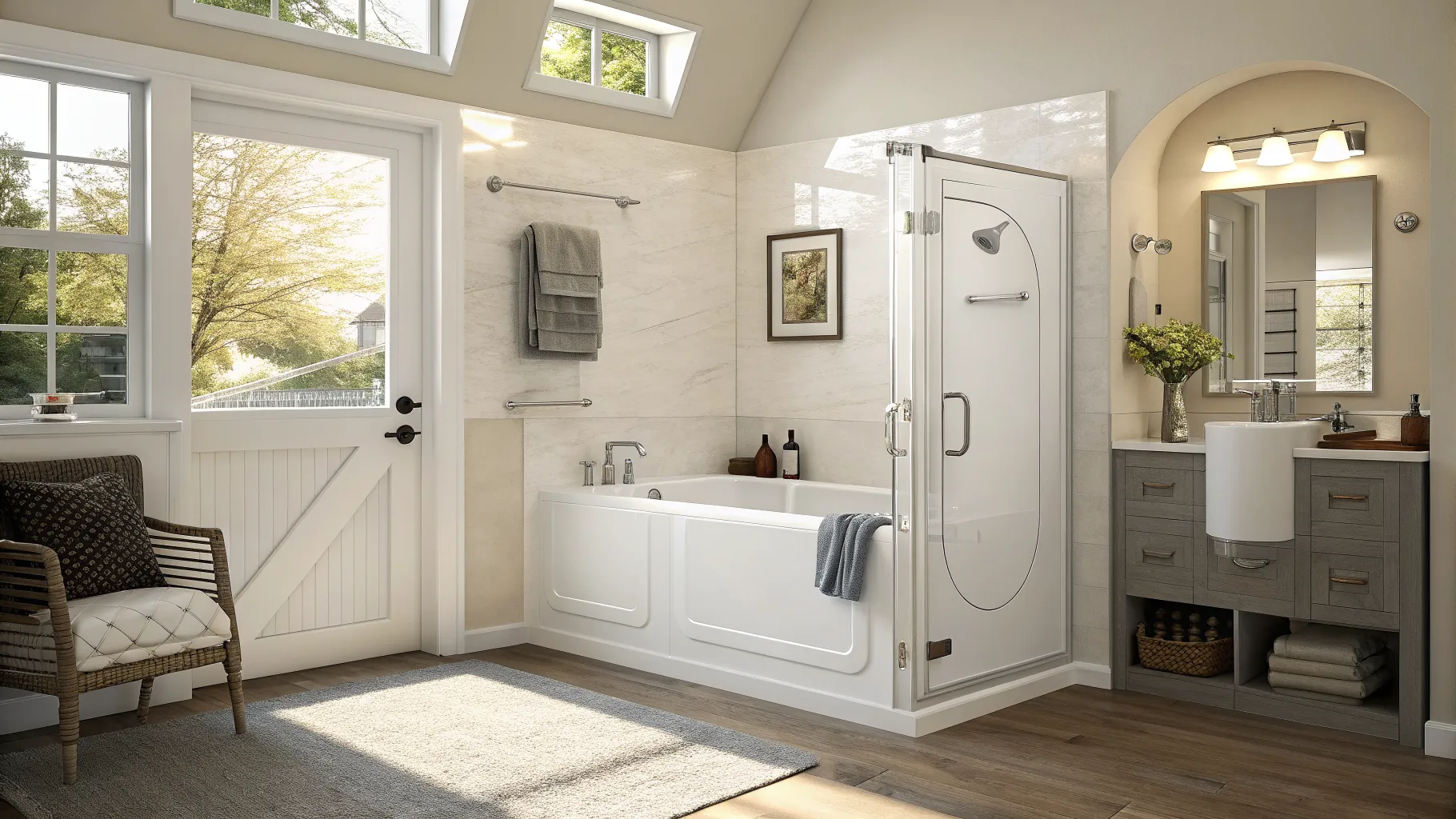
Understanding the Purpose of Walk In Tubs
Traditional bathtubs can present a serious slipping hazard for older adults or those with limited mobility. A walk in tub addresses this issue by featuring a watertight door that allows the user to simply step directly into the basin. The step in height is usually only a few inches from the floor, drastically reducing the risk of accidental falls.
Once inside, the user can sit on a built in seat rather than lowering themselves all the way to the floor. This ergonomic design not only enhances safety but also allows seniors to enjoy the therapeutic benefits of a warm bath without the anxiety associated with standard tubs. The upright seating position is often much easier on the back and knees.
Key Safety Features to Look For
When exploring walk in tub options, it is important to understand the specific safety components that differentiate them from standard bathtubs. These features work together to create a secure environment for individuals with limited balance or mobility.
- Low step in threshold: Usually between three to seven inches high to minimize tripping risks.
- Anti slip flooring: Textured basin surfaces that provide extra grip even when completely wet.
- Built in grab bars: Strategically placed handles to help users balance while standing up or sitting down.
- Anti scald valves: Advanced temperature controls that prevent the water from getting dangerously hot.
Different Types of Walk In Tubs
The market offers several variations of walk in tubs, each designed to meet different physical needs and personal preferences. Soaker tubs are the most basic models, providing a deep basin for a traditional warm bath without any added mechanical features. These are typically the most affordable and require the least amount of maintenance.
For those seeking therapeutic benefits, hydrotherapy tubs include water jets that massage the muscles and help relieve joint pain associated with arthritis. Aerotherapy tubs use air jets to create a gentle, bubbling massage that is less intense than hydrotherapy. Additionally, bariatric tubs are available for individuals who require a wider seat and a significantly larger overall bathing space.
Installation Requirements and Considerations
Installing a walk in tub is not a simple weekend project and typically requires the expertise of professional plumbers and electricians. Because these tubs hold a significantly larger volume of water than standard residential models, the bathroom floor may need structural reinforcement to properly support the extra weight of the water and the user.
Furthermore, a home water heater might need a substantial upgrade. Walk in tubs often require a fifty gallon or larger water heater to ensure the tub can be filled with warm water completely. Electrical panel upgrades might also be necessary if the chosen tub features hydrotherapy jets, heated seating, or advanced fast drainage systems.
Expected Costs and Financial Assistance Options
The financial investment required for a walk in tub can vary widely based on the chosen brand, integrated features, and installation complexity. Basic soaking models generally start around $2,000 to $3,000, while advanced tubs equipped with hydrotherapy, air jets, and custom safety features can range from $5,000 to well over $10,000. Installation costs add another layer of expense, often ranging from $1,500 to $3,000 depending on the necessary plumbing and electrical modifications.
While standard Medicare typically does not cover the cost of walk in tubs, there are other avenues for funding. Some seniors might find financial assistance through Medicaid waiver programs if the tub is deemed a medical necessity. Additionally, Veterans Affairs grants or local aging in place initiatives may offer financial support to help offset the upfront costs.
Maintenance and Long Term Care
Keeping a walk in tub clean and functional requires a slightly different approach than maintaining a traditional porcelain bathtub. Regular cleaning is absolutely essential to prevent mold, mildew, and bacteria buildup, particularly in luxury tubs equipped with internal water or air jet systems.
- Flush the jet system regularly according to the manufacturer instructions to remove stagnant water and residual soap scum.
- Use non abrasive liquid cleaners to protect the acrylic or gel coat finish of the tub from scratching.
- Inspect the door seal periodically to ensure it remains perfectly watertight and completely free of hair or debris.
- Wipe down the interior surfaces with a soft towel after each use to minimize hard water stains and mineral deposits.
Evaluating Whether a Walk In Tub is the Right Choice
Deciding to install a walk in tub requires careful consideration of both the immediate safety benefits and the potential daily drawbacks. One notable consideration is the time it takes for the tub to fill and drain. Because the user must be inside the tub with the door securely closed before turning on the water, they may experience a chilling effect while waiting for the basin to fill.
Many modern models combat this chilling issue with heated seats, ambient heating, and fast draining technology, but these premium features often come at a much higher price point. Ultimately, families must weigh the enhanced safety, comfort, and independence against the upfront costs and home alteration requirements to determine if a walk in tub is the most practical solution for their specific environment.
Authored by MyHealthBriefs team