Understanding Overnight Paid Clinical Trials: What to Expect and How to Find Them
Participating in medical research is a vital part of advancing healthcare and developing new treatments. For many individuals, overnight paid clinical trials represent a unique opportunity to support these scientific endeavors while earning financial compensation for their time and effort.
The Basics of Overnight Clinical Trials
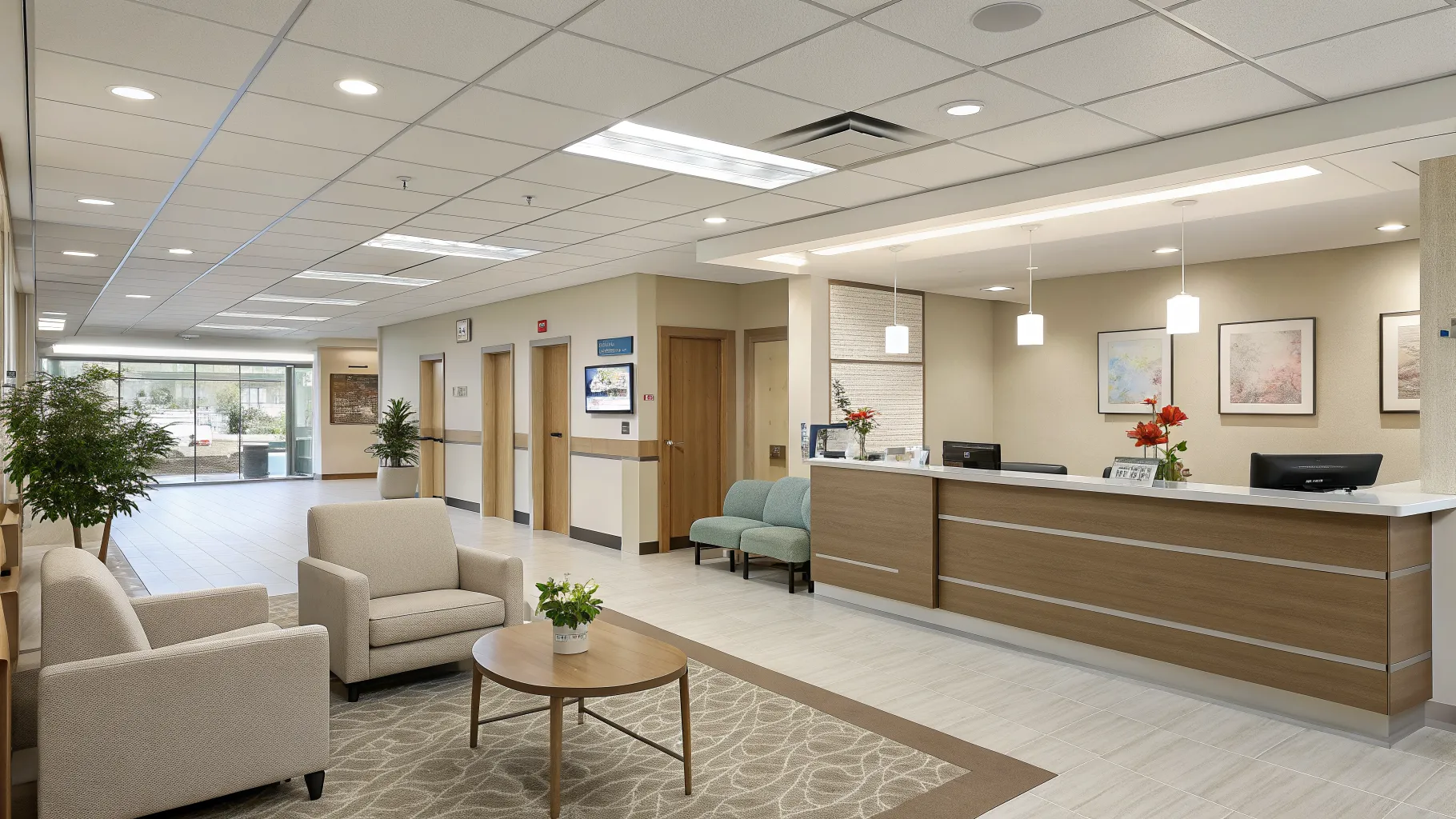
An overnight clinical trial is a specific type of medical study that requires volunteers to stay at a research facility for one or more nights. These studies are essential for researchers who need to monitor participants continuously over a set period. Unlike outpatient trials where participants visit a clinic for a few hours and then go home, overnight studies allow medical professionals to gather uninterrupted data.
Researchers typically use these extended stays to track how the human body metabolizes a new medication or responds to a specific treatment protocol. Continuous monitoring ensures that vital signs, blood levels, and other physiological responses are recorded accurately and safely. The controlled environment of an inpatient facility also eliminates variables like diet and sleep schedule disruptions, resulting in more reliable data.
Typical Phases of Medical Research Involving Volunteers
Clinical trials are conducted in distinct phases, each designed to answer different research questions. Overnight studies most frequently occur during the early stages of testing, particularly when researchers need to observe the initial effects of a substance on the human body.
- Phase I Trials: These are the earliest human trials, usually involving a small group of healthy volunteers. The primary goal is to assess safety, determine a safe dosage range, and identify any side effects.
- Phase II Trials: These involve a larger group of participants, often those who have a specific condition the drug is intended to treat. While some may require overnight stays, they focus more on efficacy alongside safety.
- Bioequivalence Studies: Often requiring healthy volunteers, these studies compare a generic drug to a brand name version to ensure they work the same way in the body.
Compensation and Financial Expectations
Financial compensation for clinical trials is not meant to be a salary or an employment opportunity. Instead, it is designed to reimburse volunteers for the time they commit, the travel involved, and the general inconvenience of being away from home. Ethics boards strictly regulate payment amounts to ensure that the compensation is fair but not so high that it coerces individuals into taking unnecessary risks.
The exact payment varies widely depending on the length of the study, the number of overnight stays required, and the intensity of the medical procedures involved. A short study with a single overnight stay might offer a few hundred dollars, while complex trials requiring multiple weeks in a facility can compensate participants several thousand dollars. Payments are usually disbursed after the completion of the study, though some longer trials may offer prorated milestone payments.
Screening and Eligibility Requirements
Before an individual can participate in an overnight clinical trial, they must undergo a rigorous screening process. This ensures that the volunteer meets all the specific health criteria required for the study and that it is safe for them to participate. Researchers are highly selective to maintain the integrity of the data and protect the well-being of the participants.
During a screening visit, medical staff will conduct a comprehensive health evaluation. This typically includes a detailed review of medical history, blood tests, urine tests, an electrocardiogram, and a physical examination. Depending on the study parameters, researchers may exclude individuals who smoke, consume certain medications, or have a history of specific medical conditions. Failing to pass a screening is common and simply means the individual is not the right fit for that particular protocol.
What to Expect During an Overnight Stay
Staying at a clinical research unit is often compared to staying in a hospital ward or a highly regulated dormitory. Participants are expected to follow strict schedules regarding when they wake up, when they eat, and when they undergo medical testing. In between scheduled blood draws, physical exams, and vital sign checks, volunteers usually have significant amounts of downtime.
- Dietary Restrictions: Meals are strictly portioned and scheduled. Outside food or drink, particularly caffeine and alcohol, is almost always prohibited.
- Entertainment and Leisure: Facilities generally provide Wi-Fi, televisions, and lounge areas. Participants often use this time to read, study, work remotely, or watch movies.
- Facility Rules: Volunteers must remain within the designated clinical unit at all times and follow instructions from the nursing staff to ensure the study protocol is not compromised.
Potential Risks and Safety Measures
Any medical research carries inherent risks, particularly Phase I trials where a medication is being tested on humans for the first time. Potential side effects can range from mild issues like headaches or nausea to more severe, albeit rare, adverse reactions. It is crucial for participants to understand these risks fully before agreeing to take part.
To mitigate these risks, clinical trials are heavily regulated. Before a study begins, it must be approved by an Institutional Review Board or an independent ethics committee, which reviews the protocol to ensure participant rights and safety are protected. Furthermore, the informed consent process guarantees that volunteers receive a detailed document explaining all known risks, procedures, and their right to withdraw from the study at any time without penalty.
How to Locate Reputable Clinical Trials in Your Area
Finding legitimate clinical trials requires knowing where to look and how to verify the credibility of the research organization. The most reliable starting point is ClinicalTrials.gov, a comprehensive database maintained by the United States National Library of Medicine. This registry lists privately and publicly funded clinical studies conducted around the world, allowing users to search for active trials by location and condition.
Additionally, local university hospitals and dedicated clinical research organizations frequently recruit healthy volunteers for overnight studies. Checking the official websites of major medical centers in your vicinity often yields information about upcoming research opportunities. It is highly advisable to research the facility conducting the trial, read reviews if available, and ensure they are affiliated with recognized medical or academic institutions before providing any personal health information.
Authored by MyHealthBriefs team