Understanding High Blood Pressure Signs and Symptoms
High blood pressure is a widespread cardiovascular condition that affects millions of people globally. Recognizing the signs early can make a significant difference in long-term health outcomes.
The Nature of the Silent Killer
Medical professionals frequently refer to high blood pressure, or hypertension, as the silent killer. This alarming nickname comes from the fact that the condition typically produces no symptoms whatsoever for years, even as it causes progressive damage to the cardiovascular system.
Because people usually feel completely fine while their blood pressure rises, relying on physical signs to detect the issue is highly dangerous. A person could have dangerously elevated blood pressure levels for a decade without experiencing a single noticeable symptom.
Severe Symptoms in Hypertensive Crises
While standard high blood pressure rarely shows symptoms, extremely elevated levels can lead to a medical emergency known as a hypertensive crisis. During this dangerous state, the blood pressure rises so high that it can cause acute organ damage, and physical warning signs become very apparent.
- Severe headaches that come on suddenly
- Unexplained nosebleeds
- Significant shortness of breath or chest pain
- Visual disturbances or blurred vision
- Extreme anxiety or a feeling of confusion
Subtle Indicators and Secondary Signs
In some cases, individuals may experience subtle issues that they mistakenly associate directly with high blood pressure. While these secondary signs do not necessarily mean a person has hypertension, they frequently occur in individuals who are suffering from untreated cardiovascular strain.
For example, some people experience facial flushing, dizziness, or blood spots in the eyes. Medical experts note that these issues are typically caused by other underlying factors, such as physical exertion or stress, rather than the blood pressure itself. However, anyone experiencing these issues frequently should consult a healthcare provider for an accurate diagnosis.
The Role of Routine Monitoring
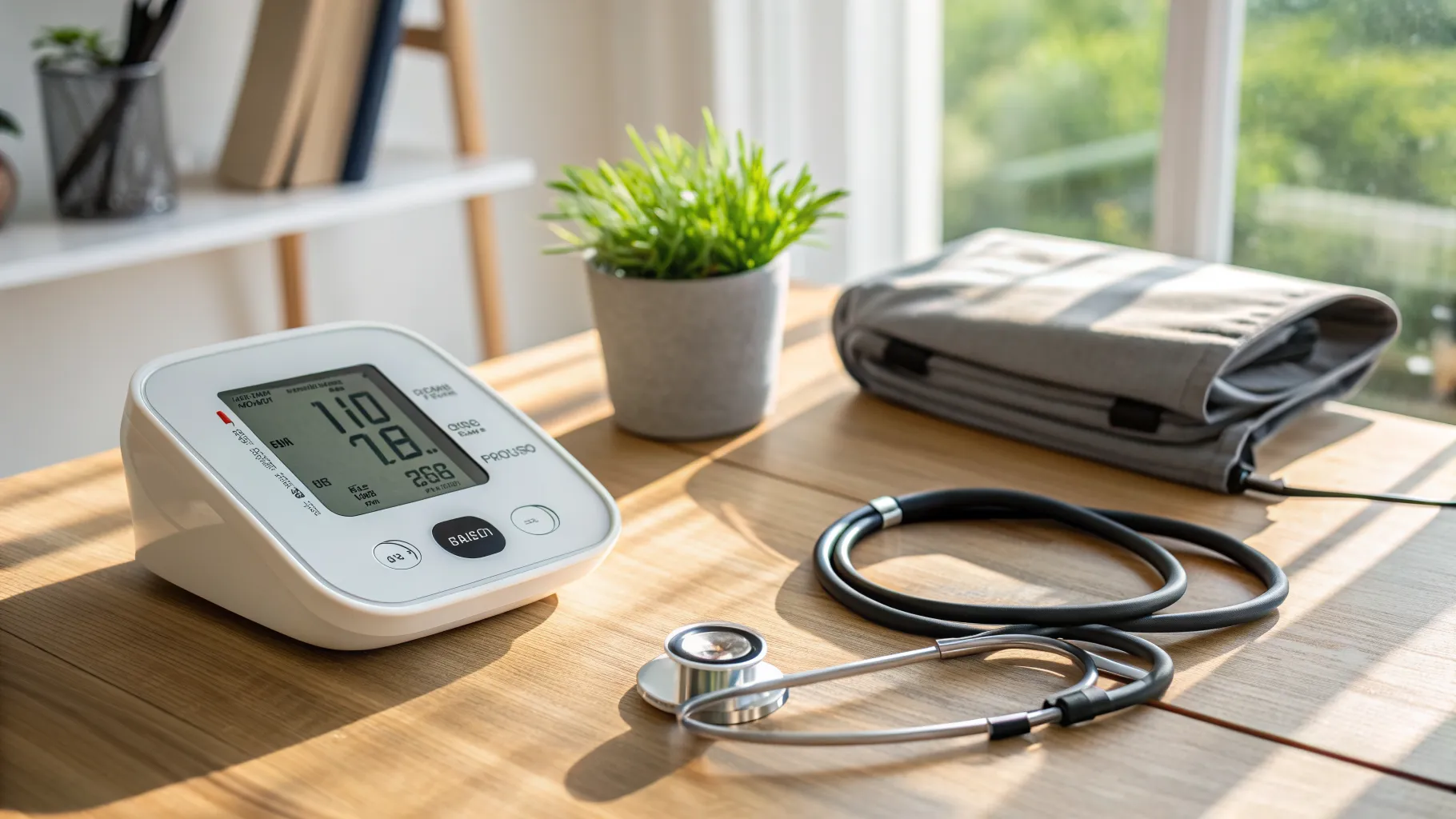
Given the unreliability of physical symptoms, routine medical monitoring remains the only dependable method for detecting high blood pressure. A quick and painless test using a blood pressure cuff provides immediate insight into the force of blood pushing against the artery walls.
A blood pressure reading consists of two numbers. The systolic pressure measures the force when the heart beats, while the diastolic pressure measures the force when the heart rests between beats. Regularly tracking these numbers at home or a clinic is the most effective way to catch the condition before it escalates into a serious problem.
Common Risk Factors to Watch For
Since waiting for physical signs is an ineffective strategy, understanding individual risk factors is crucial for early detection. People who fall into high-risk categories should be particularly vigilant about checking their cardiovascular health on a regular basis.
- A strong family history of heart disease or hypertension
- Advancing age, as blood vessels naturally lose elasticity over time
- A sedentary lifestyle lacking regular physical activity
- A diet high in sodium and highly processed foods
- Chronic stress or underlying conditions like diabetes
Potential Complications of Ignoring High Blood Pressure
Failing to identify and manage high blood pressure can lead to severe health complications. The constant excessive force of blood flowing through the vascular system creates microscopic tears in the artery walls, which then accumulate plaque and narrow the blood vessels.
Over time, this arterial damage forces the heart to work much harder to circulate blood. This excessive strain can eventually result in heart attacks, strokes, kidney failure, or vision loss. Detecting the condition through routine checks rather than waiting for physical signs is the best defense against these life-altering complications.
Authored by MyHealthBriefs team