Understanding Assisted Living Communities: A Comprehensive Guide
Assisted living communities have become an increasingly common solution for older adults who want to maintain their independence while receiving necessary daily support.
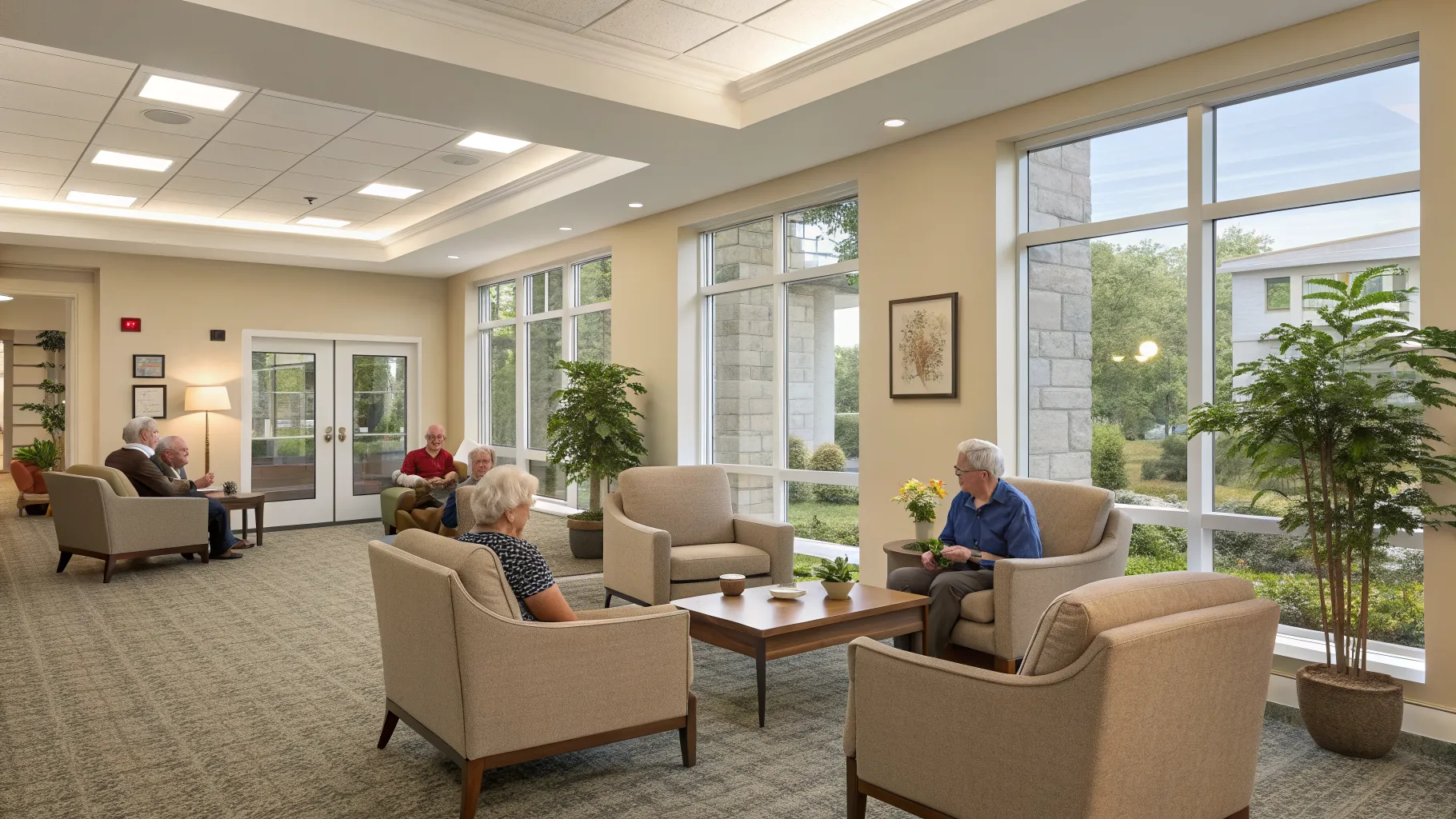
What is an Assisted Living Community?
An assisted living community is a residential facility designed specifically for older adults who require some assistance with daily tasks but do not need the intensive medical care provided by a nursing home. These environments are structured to promote independence, offering private or semi-private apartments within a larger, secure building or campus.
The primary goal is to help residents with Activities of Daily Living, commonly referred to as ADLs. These activities include bathing, dressing, grooming, and managing medication schedules. By providing this targeted support, the staff ensures that residents can navigate their day safely while maintaining their dignity and personal freedom.
Core Services and Amenities Provided
Modern facilities are designed to offer a comprehensive range of services that remove the burdens of homeownership and daily chores. This allows residents to focus on their well-being and personal interests.
- Three nutritious meals a day served in a communal dining room.
- Weekly housekeeping and laundry services.
- Scheduled transportation to medical appointments and local shopping centers.
- A full calendar of social, educational, and recreational activities.
- 24-hour security and emergency call systems in every apartment.
The Difference Between Assisted Living and Nursing Homes
Families often use the terms assisted living and nursing home interchangeably, yet they represent two entirely different levels of senior care. Understanding this distinction is vital when determining the appropriate environment for an aging family member.
Assisted living focuses heavily on personal care, socialization, and general daily support in a homelike setting. In contrast, nursing homes, also known as skilled nursing facilities, provide round-the-clock medical supervision and complex care for individuals with severe physical or cognitive health conditions.
Evaluating and Choosing the Right Community
Selecting the best residence requires thorough research, careful observation, and multiple in-person tours. It is highly recommended to visit a potential community at different times of the day to get a true sense of the atmosphere and staff responsiveness.
- Observe the overall cleanliness and maintenance of both private rooms and common areas.
- Ask about the staff-to-resident ratio during day, evening, and overnight shifts.
- Request to eat a meal in the dining room to evaluate the food quality and menu variety.
- Review recent state inspection reports and licensing records to ensure compliance with health regulations.
- Speak with current residents and their visiting family members to gather honest feedback about their experiences.
Understanding the Costs and Financial Planning
Moving into a supported residential environment involves significant financial considerations. Costs vary drastically depending on the geographic location, the size of the apartment, and the specific level of care an individual requires.
Nationally, monthly fees typically range from $4,000 to over $6,000. Because Medicare does not generally cover the cost of room and board in these communities, families usually rely on private savings, pensions, long-term care insurance policies, or specific veterans benefits to fund the monthly expenses.
Transitioning and Adjusting to a New Home
Relocating to a care facility is a major life event that can trigger a range of emotions for both the new resident and their loved ones. Feelings of grief, anxiety, and relief are all normal parts of the transition process.
Patience and consistent communication are essential during the first few weeks. Families can ease the adjustment by helping to decorate the new apartment with familiar items from home and by encouraging their loved one to participate in group activities, which helps build new friendships and establish a comfortable daily routine.
Authored by MyHealthBriefs team