Understanding Portable Oxygen Concentrators: A Comprehensive Guide
Portable oxygen concentrators have revolutionized respiratory care by offering individuals the freedom to maintain an active lifestyle without being tethered to heavy, stationary oxygen tanks.
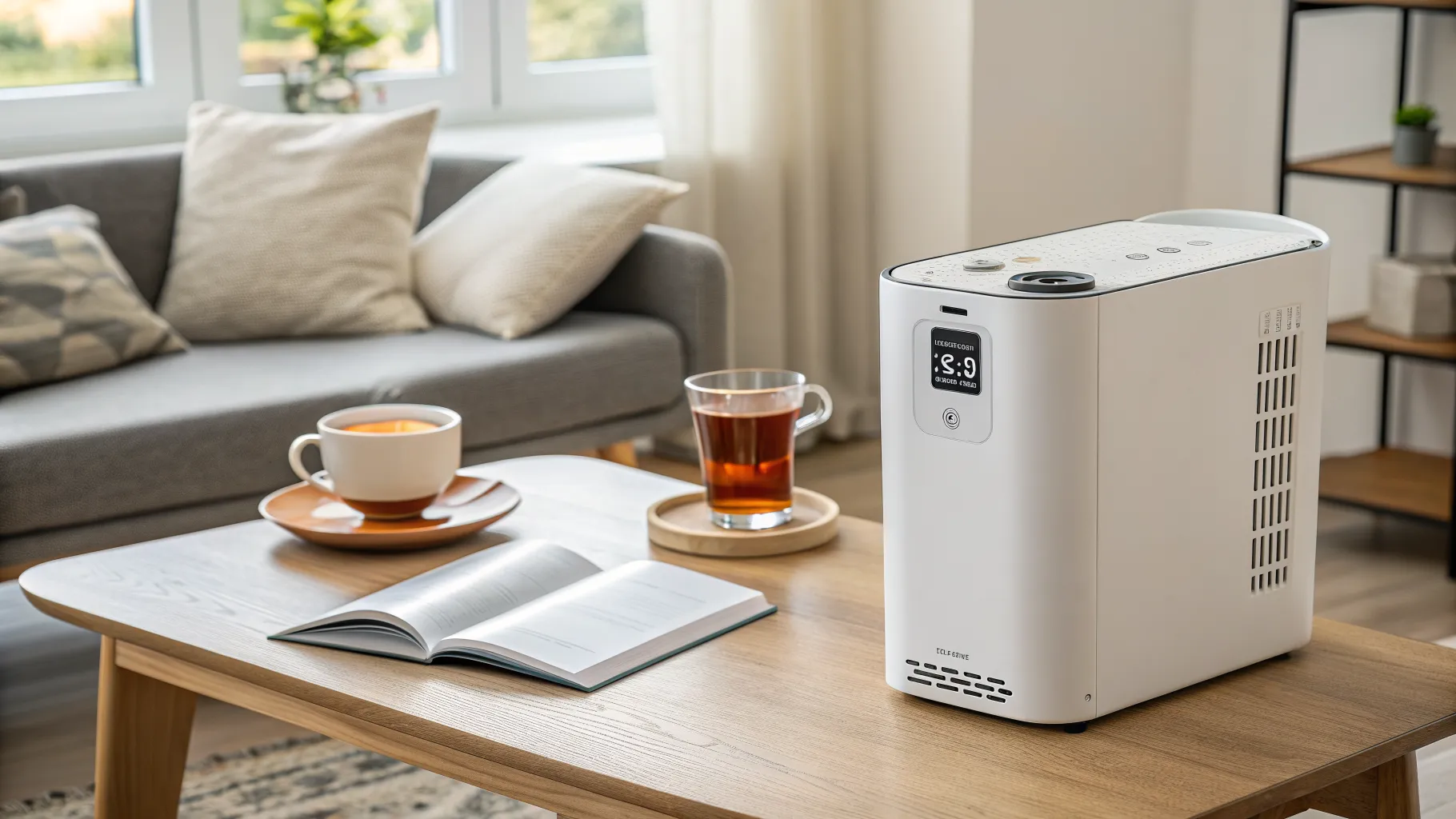
How Portable Oxygen Concentrators Work
Unlike traditional oxygen tanks that store a finite amount of compressed or liquid oxygen, portable oxygen concentrators draw in ambient room air and purify it. The device uses an internal compressor and a series of filters, known as sieve beds, to remove nitrogen from the air. This process results in a concentrated stream of medical-grade oxygen that is then delivered to the user through a nasal cannula or mask.
Because they generate oxygen on demand, these devices never run out of oxygen as long as they have a power source. This fundamental difference is what allows them to be manufactured in compact, lightweight designs that can easily be carried over the shoulder or pulled on a small cart.
Pulse Dose Versus Continuous Flow
When exploring portable oxygen concentrators, it is essential to understand the two primary delivery methods available. Pulse dose technology delivers a customized burst, or bolus, of oxygen every time the user inhales. The device relies on a highly sensitive breath detector to trigger the release of oxygen, ensuring that no oxygen is wasted during exhalation. This efficiency allows pulse dose machines to be significantly smaller and lighter.
Continuous flow models, conversely, provide a steady, uninterrupted stream of oxygen regardless of the user breathing pattern. Because the compressor must work continuously to maintain this steady stream, these units require larger internal components and heavier batteries. As a result, continuous flow concentrators are generally bulkier and are often transported using a wheeled mobility cart rather than a shoulder strap.
Key Features to Evaluate
Selecting the appropriate device requires a careful assessment of several technical specifications to ensure it meets both medical requirements and lifestyle preferences. Patients and caregivers should review the device capabilities thoroughly before making a decision.
- Oxygen Output Capacity: The device must be capable of delivering the prescribed liters per minute or the equivalent pulse dose setting.
- Weight and Ergonomics: Models can range from under three pounds to over twenty pounds, heavily impacting daily portability.
- Noise Level: Since the device will be used in public spaces and during quiet activities, checking the decibel rating is important.
- Alarms and Alerts: Built-in safety features that notify the user of low battery, low oxygen purity, or breath detection failure are critical for peace of mind.
Battery Life and Power Options
The true mobility of a portable oxygen concentrator is dictated by its battery life. Most modern devices utilize rechargeable lithium-ion batteries, which can last anywhere from two to ten hours on a single charge. However, battery duration is highly dependent on the oxygen flow setting. Higher flow rates or more frequent breaths on a pulse dose machine will deplete the battery much faster than lower settings.
To maximize independence, these concentrators offer multiple power options. They can be plugged into standard AC wall outlets at home, or connected to DC power ports in vehicles for use during road trips. Many users opt to carry external, swappable batteries to easily double or triple their time away from a power source.
Traveling with Oxygen Devices
One of the primary benefits of a portable oxygen concentrator is the ability to travel long distances, including by air. The Federal Aviation Administration in the United States, along with many international aviation bodies, permits the use of approved portable concentrators on commercial flights. Devices must carry an explicit certification label indicating they meet aviation safety standards.
When planning a trip, travelers must notify their airline in advance and review specific medical clearance policies. Airlines typically require passengers to carry enough battery power to last for at least 150 percent of the total expected flight time. This buffer accounts for unexpected delays, holding patterns, and layovers where charging might not be possible.
Maintenance and Care Requirements
Proper maintenance is crucial to ensure a portable oxygen concentrator operates efficiently and delivers the correct purity of oxygen. Users must regularly clean the external gross particle filters, which prevent dust and pet hair from entering the machine. Nasal cannulas and tubing should also be replaced frequently, typically every few weeks, to prevent moisture buildup and bacterial growth.
Internally, the sieve beds that filter out nitrogen will degrade over time and eventually require replacement. Most manufacturers recommend a professional servicing every one to two years. Users should always pay attention to the digital display and auditory alerts, as the device will automatically signal when it is time for routine maintenance or if there is a drop in oxygen purity.
Understanding Medical Prescriptions
It is important to note that portable oxygen concentrators are classified as medical devices and legally require a prescription from a licensed healthcare provider. A doctor will determine the exact oxygen requirements based on specific medical conditions such as chronic obstructive pulmonary disease, pulmonary fibrosis, or severe asthma.
Before acquiring a device, patients typically undergo a titration study, which monitors blood oxygen levels during rest, exertion, and sleep. This study ensures that the chosen portable concentrator is capable of keeping oxygen saturation levels within a safe, healthy range across all daily activities. Working closely with a pulmonologist or respiratory therapist guarantees that the device chosen will provide adequate clinical support.
Authored by MyHealthBriefs team